
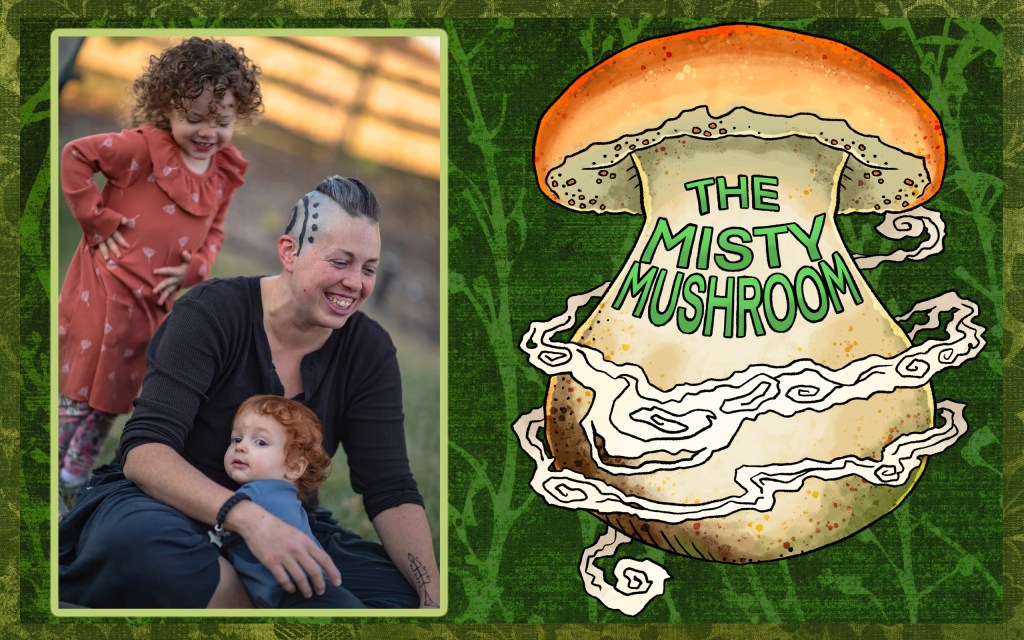
My spouse and I moved to Oak Harbor Ohio in 2018, settling in on a small acre bit of land where we wanted to carve out our future together; both of us having our own dreams and goals for the space. Up to this point we had both always rented as adults, and for me it was a dream to finally have a bit of earth to grow in. I have always been an avid gardener, using containers and window boxes to achieve what aspects of food sovereignty that I could at the time.
With a larger space, I had dreams of growing enough food to feed our family while using wiser land practices with no chemicals.
The Herb Garden
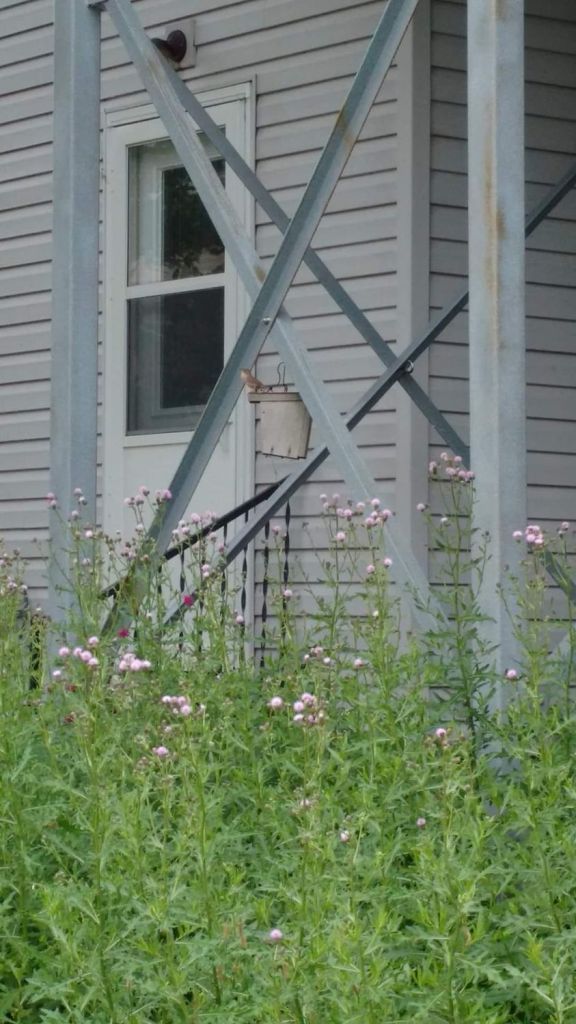
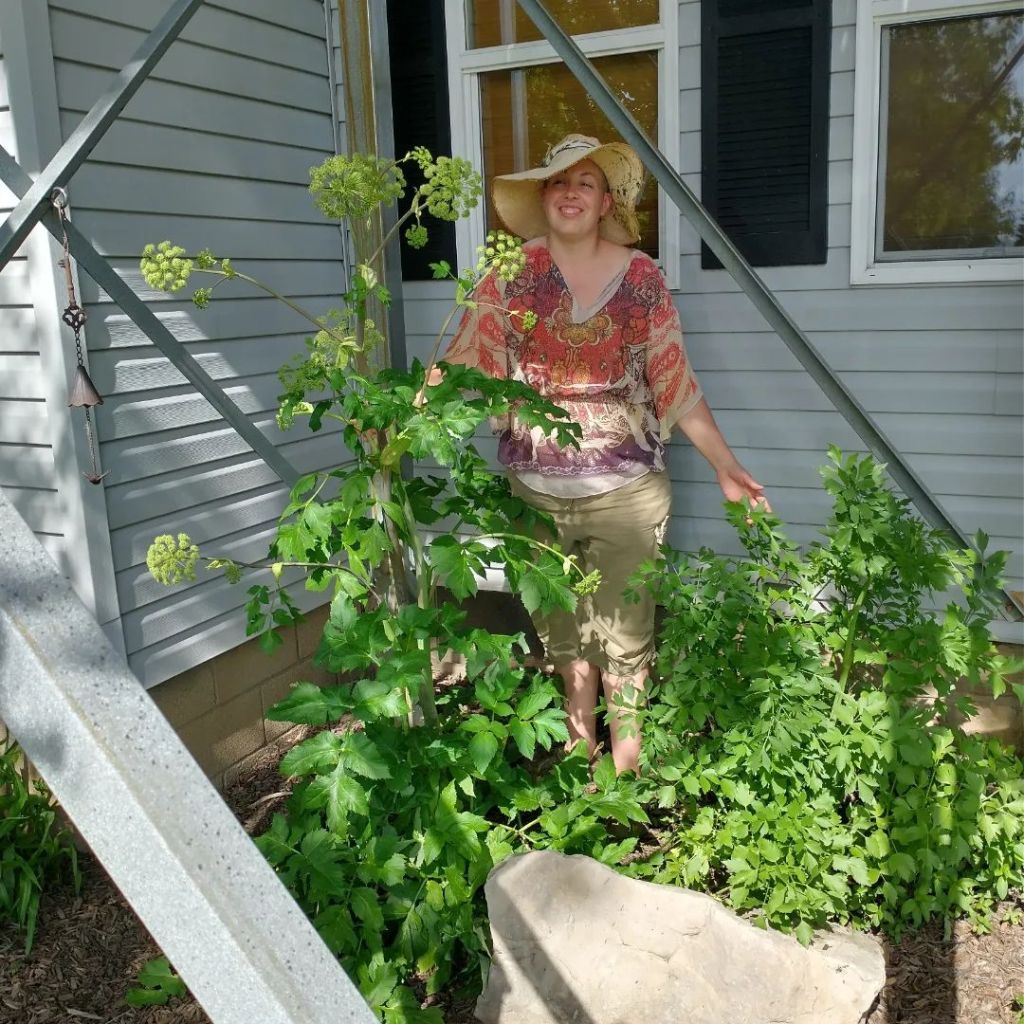
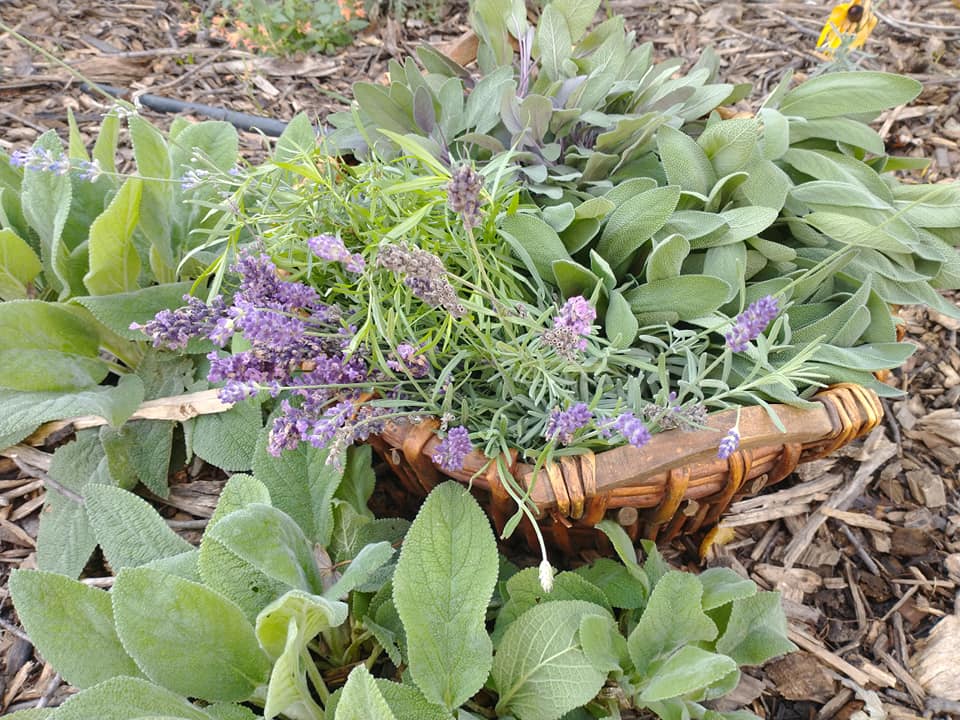
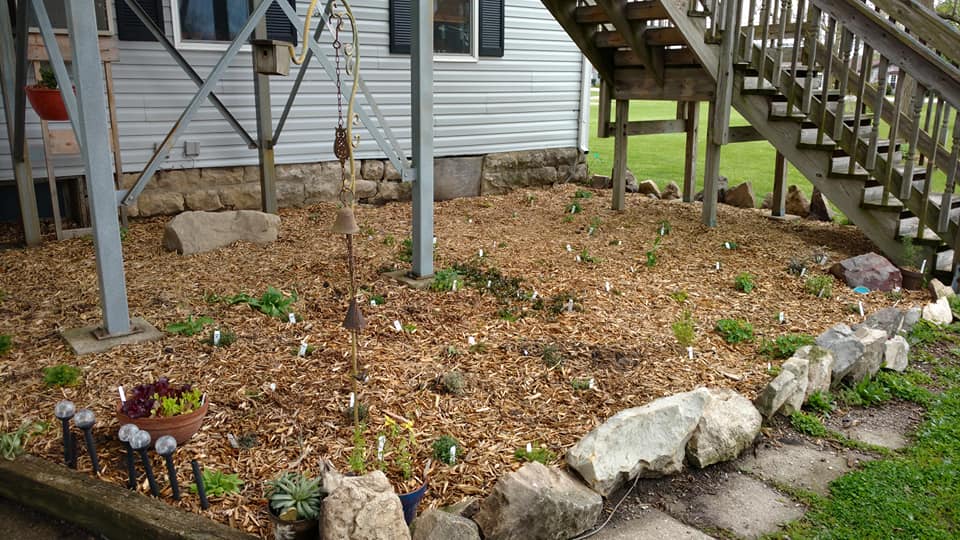
I started mapping out a spot for an herb garden, tackling a space that was filled with invasive Canada Thistle; suiting up and removing several thick bundles of it. Several trees on the land had old limestone blocks positioned around them in circles that had become buried, so I dug them out and moved to be natural borders. After mulching the herb garden, I planted with many herbs from Mulberry Creek Herb Farm and then monitored for weeds.
I wanted an herb garden to use for food, medicinal, cosmetic, and home usage, starting off mainly with perennials. Thyme, Feverfew, Lavender, Savory, Lovage, Angelica, Horehound, Tarragon, Yarrow, Sage, Chives, Lemon Balm, and many more. As I have grown on my venture, I have added various native plants to the space and plan on adding a small water feature in the future.
DuckTales
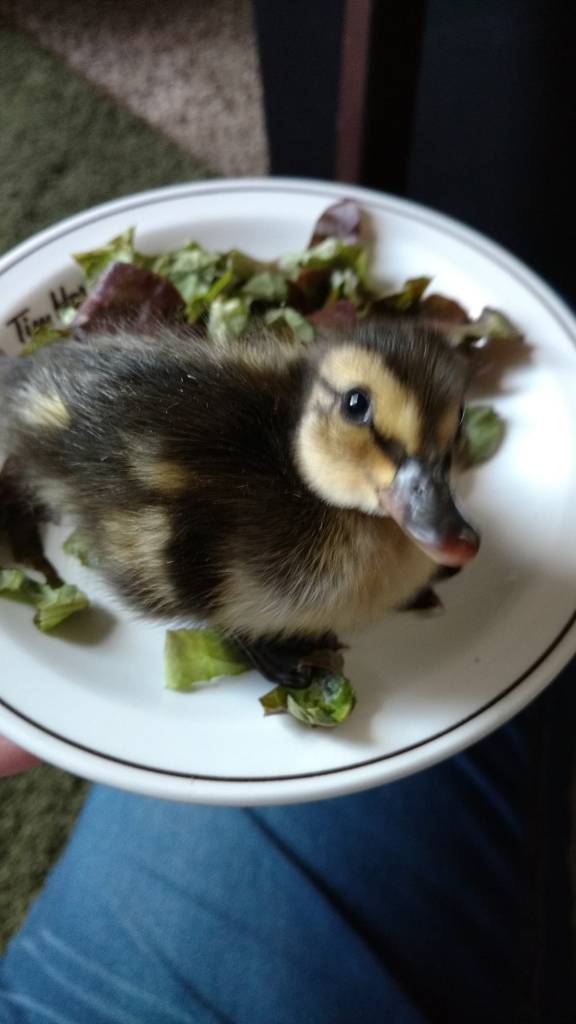
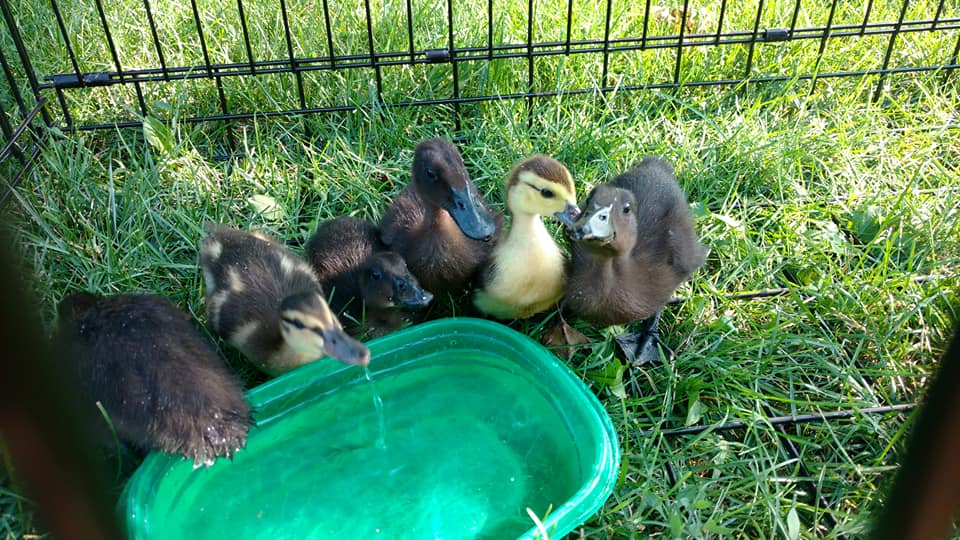
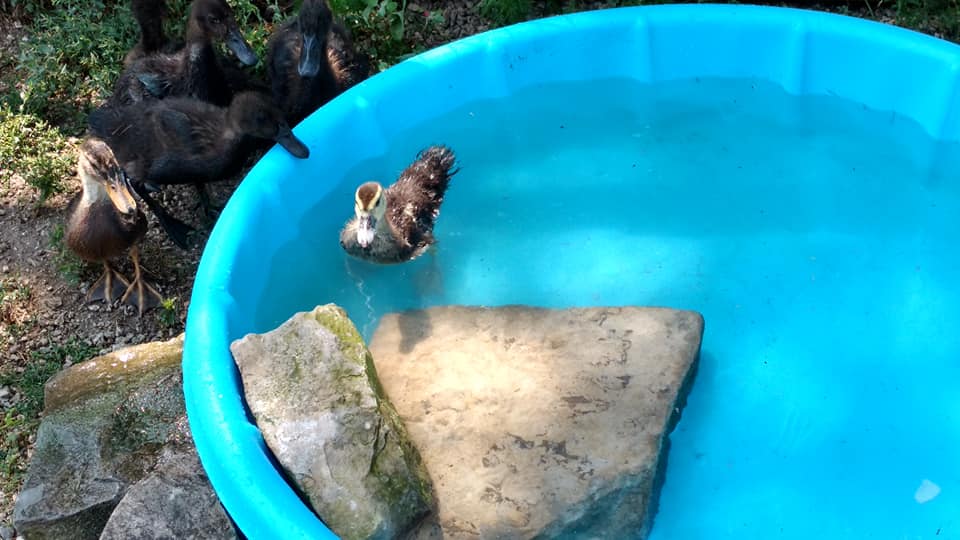
In 2019 we got our first poultry: ducks. I wanted to make the most of poultry husbandry; using their manure for a vegetable garden while enjoying the eggs and occasional meat. Ducks were my first choice, and I learned a lot from my journey with them. Eventually I want to get back into ducks.
The Vegetable Garden
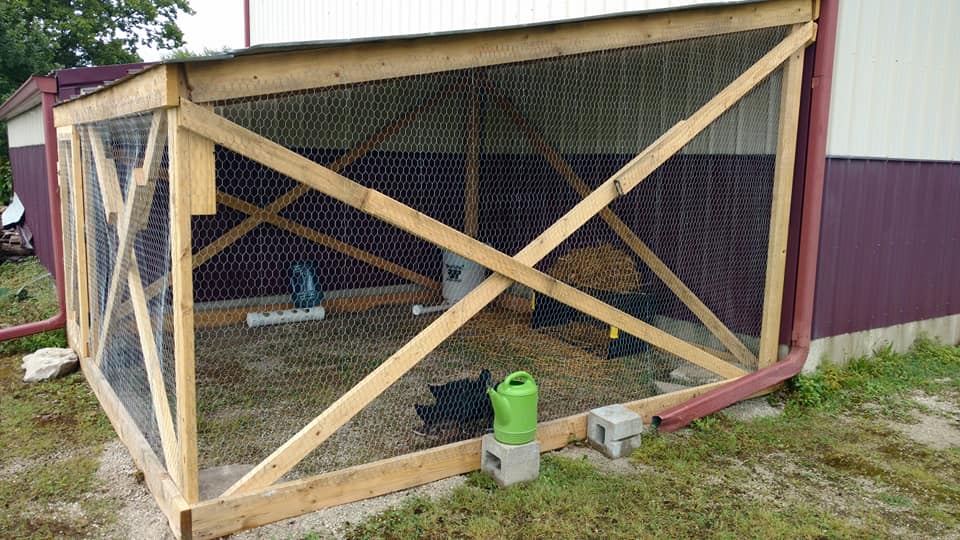
With the ultimate goal of producing enough food to feed our family along with producing enough in excess to provide to others in need, we began setting up space out back near the coop where I would lay out plans for vegetable plots. We work a lot with what I’d like to call “Frankenfarming” repurposing pallets and other building materials to cut costs while making better choices for the environment. Our picket fence was made from pallets, old barrels used for cultivation, and leftover siding for building a raised bed.
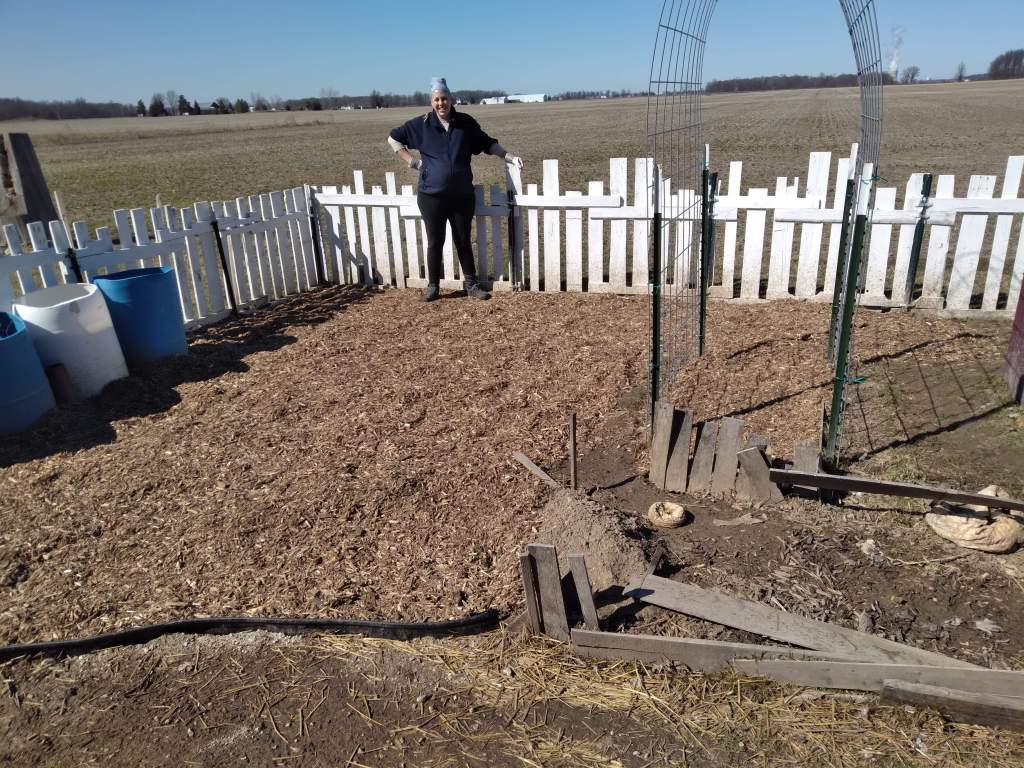
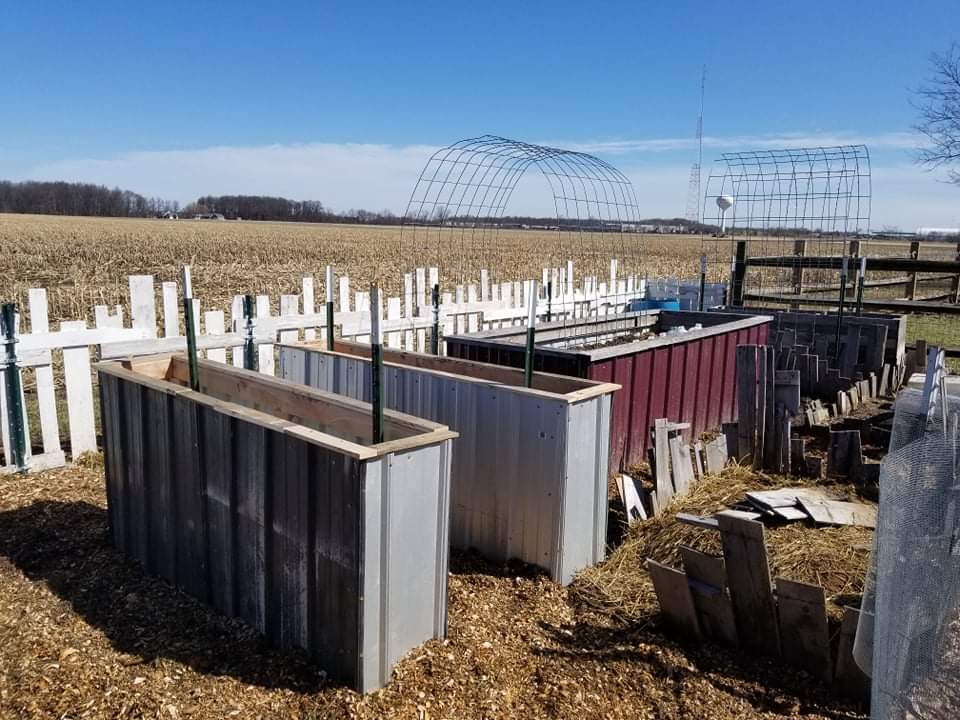
The first couple years saw fair challenges in cultivation, and as I wanted to utilize every square foot possible, I began to squeeze into the space more planters and work on soil amendments to improve growing. I planted grape vines, asparagus, raspberry and blackberry bushes, and rhubarb.
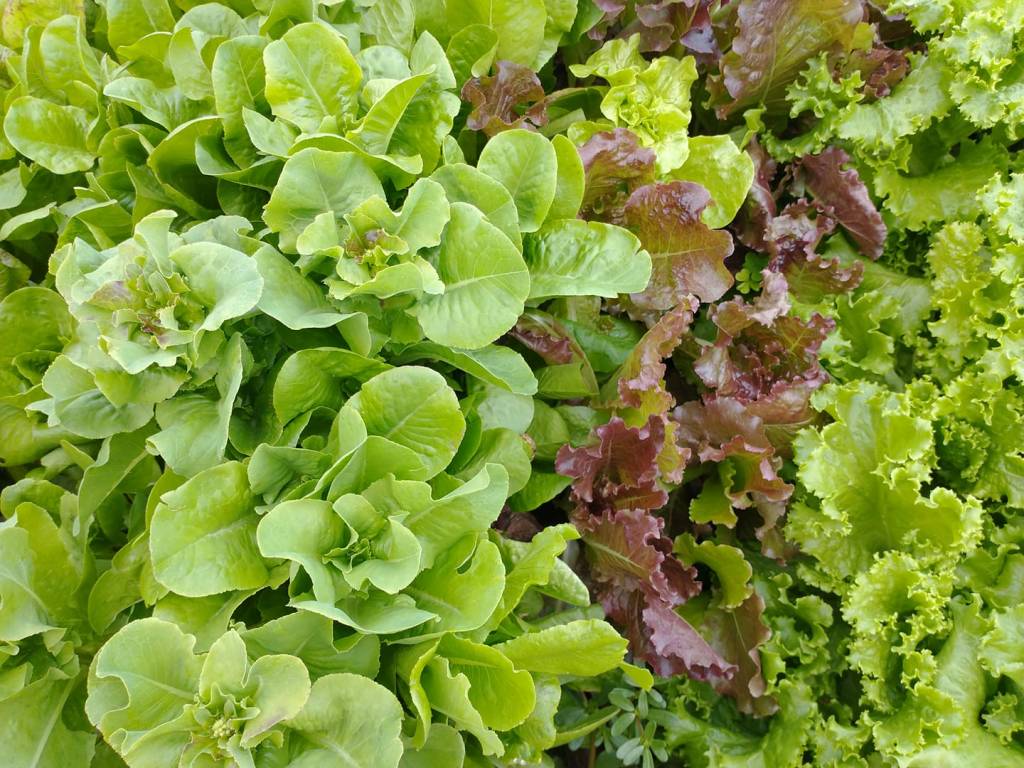
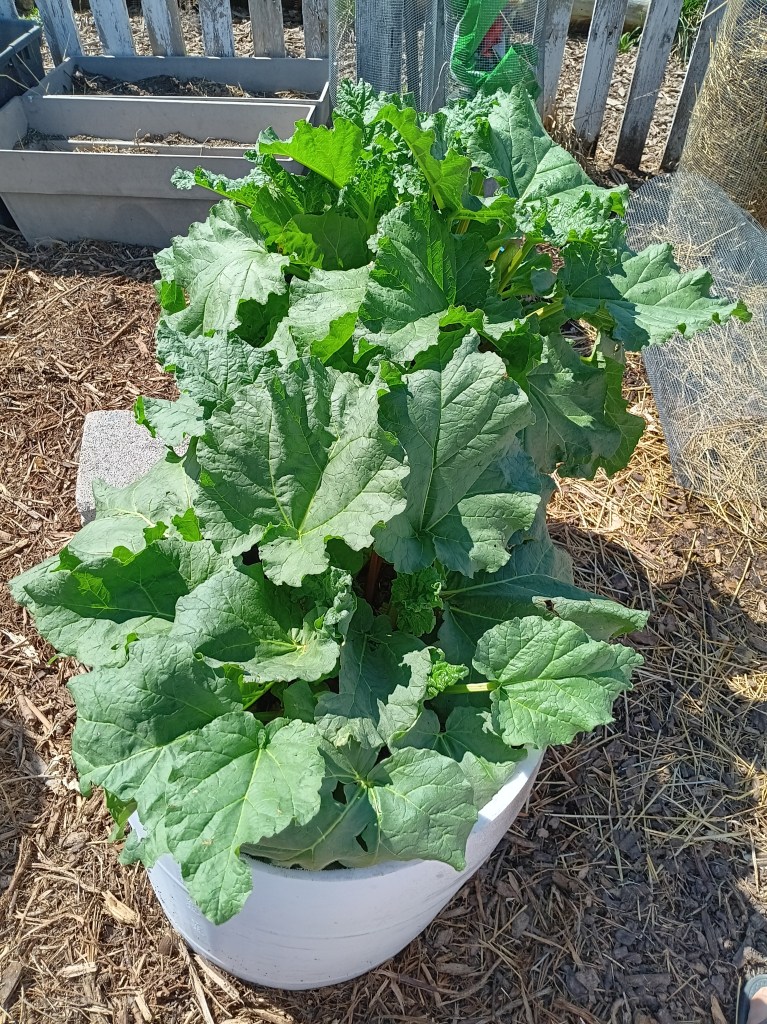
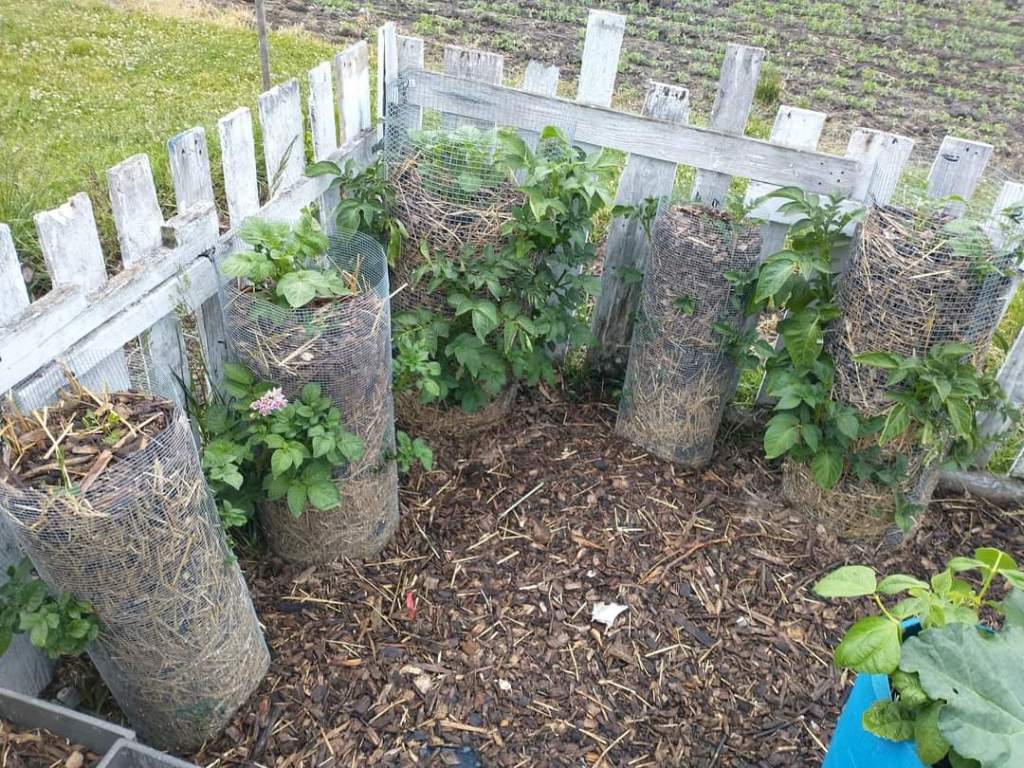
We installed a water collection system using old barrels and an IBC tote, which allowed for easier (and cheaper) watering of the garden. Despite our frankenfarming methods, we kept running into issues of obtaining building materials second hand for a reasonable price, especially to build more raised beds. I saved up and invested in raised beds from Vego Garden, now having four that grant me ample space while allowing an easier gardening experience.
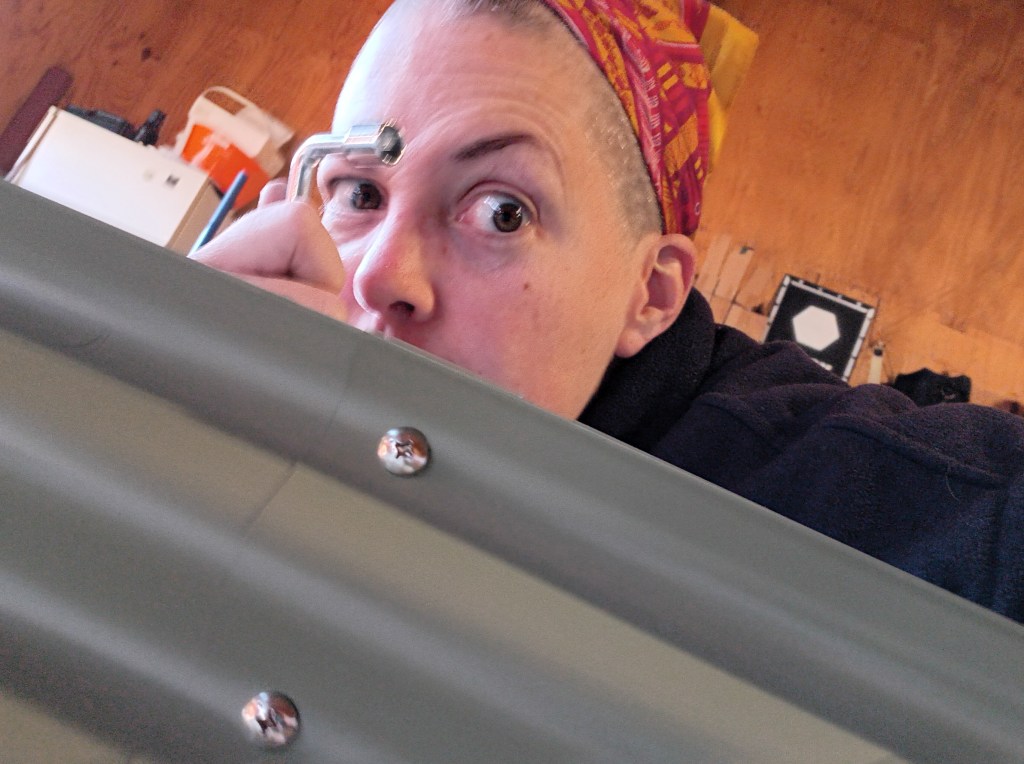
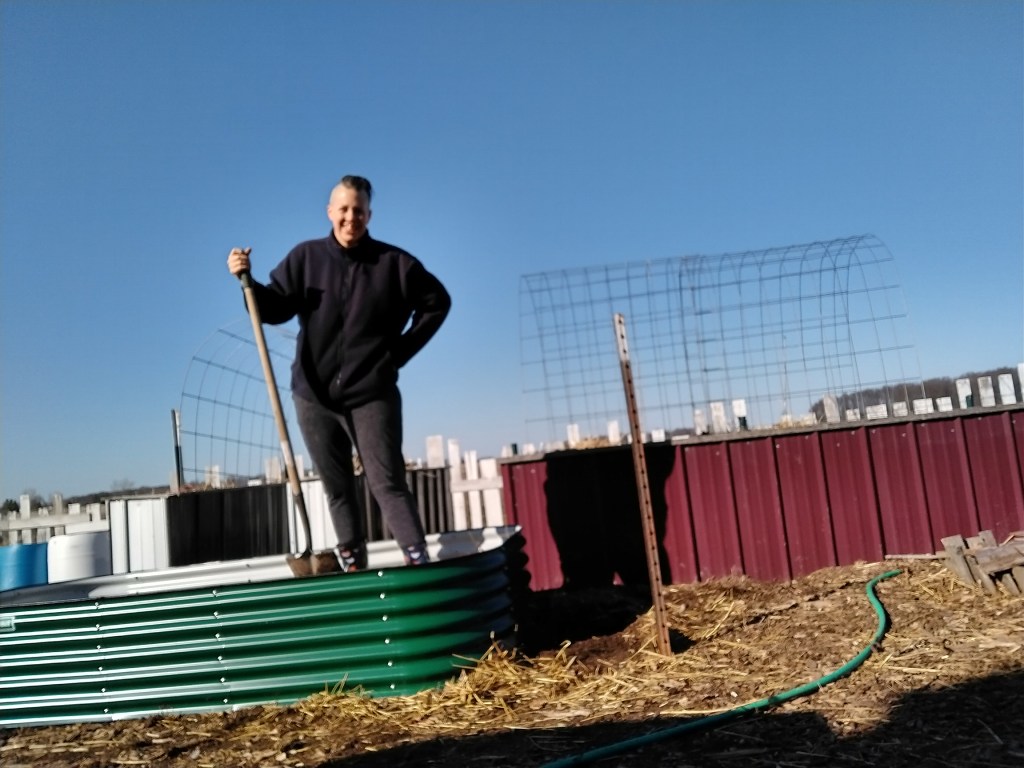
Each raised bed that we have was made using the hügelkultur method of laying logs, sticks, leaves/brush, and soil in a mound that is more cost effective and improves the soil long term.
The Misty Mushroom?
I have always been fascinated by mushrooms, especially while out hiking; documenting many various species and finding delight as a forager when I discover a new edible one. I wanted to grow mushrooms at home for culinary usage, and I started while I was still living in an apartment; making oyster mushroom grow bags myself using chopped boiled straw and sliced pieces from the bottom of oyster stems I had gotten from a grocery store.
I grew them successfully this way for a while in a pantry until I moved. I had wanted to expand my growing capabilities, and my spouse built us a mushroom hut using repurposed building materials. At the time there was not anyone in the area cultivating mushrooms for food, and I had deeply considered making it a business. I fashioned the business name: The Misty Mushroom with this idea of distributing to markets and eateries on a small scale.
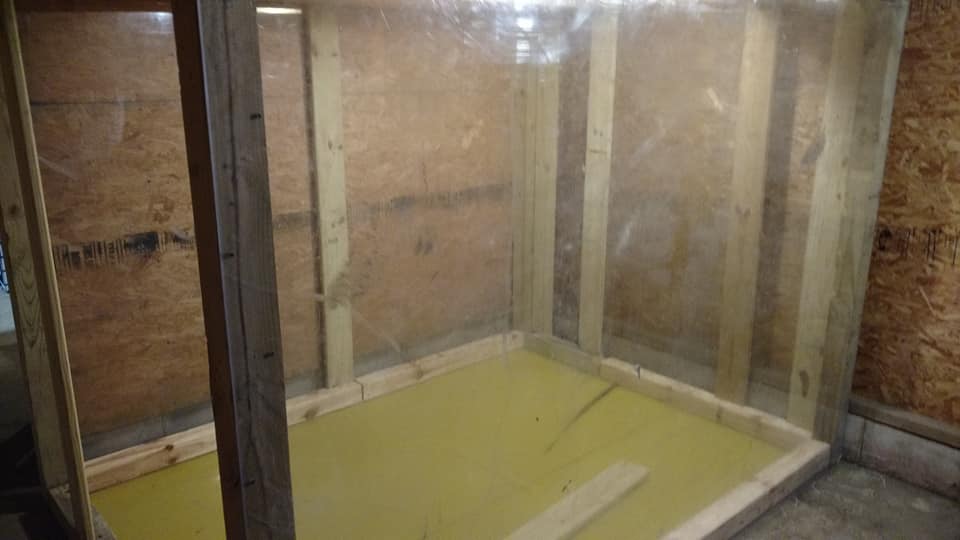
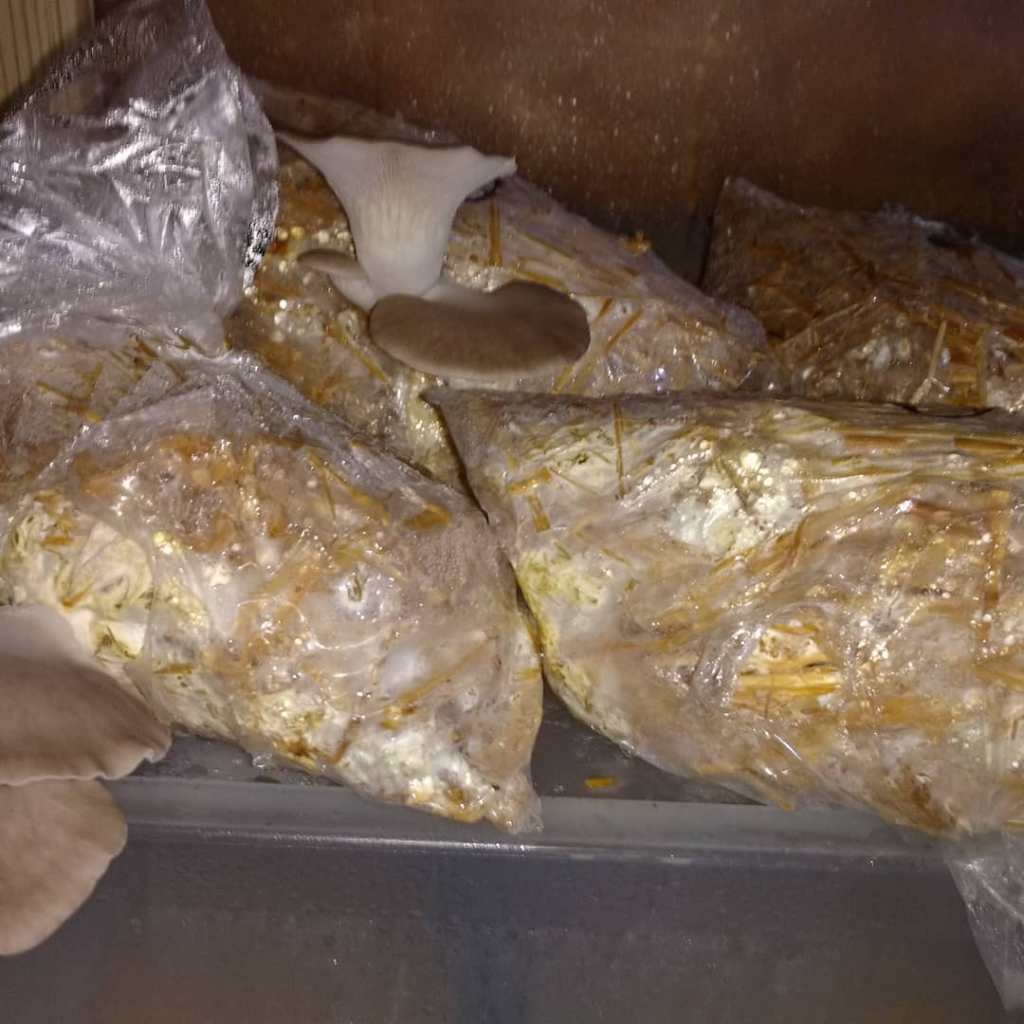
As we started testing out the room, it seemed that we were met with failure after failure along with occasional success. The room got too cold, too humid, one method failed, another wasn’t good enough. We tried to keep costs as low as possible, but it just wasn’t enough to show substantial usage as a business. Then, I started finding out the cost of being licensed and dealing with food products in the state of Ohio and I no longer had the desire to do it for financial gain.
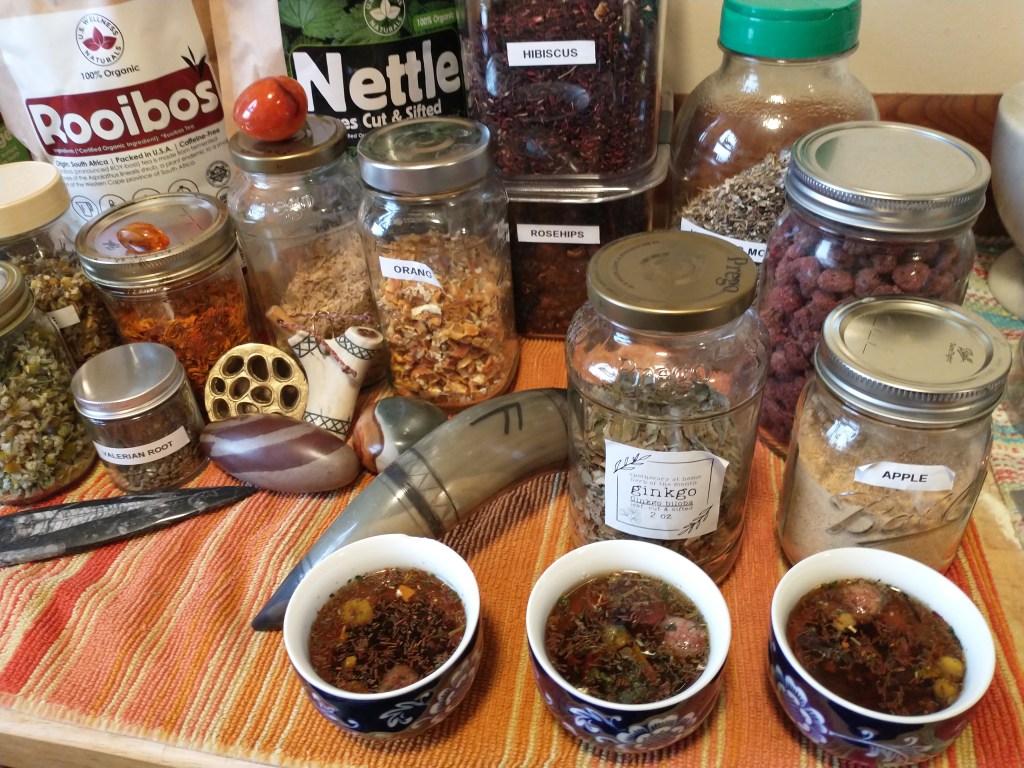
I didn’t want to abandon the usage of mushrooms on our small farm completely and started using foraged and grown dried mushrooms in tea blends and tinctures that I made on site with ingredients grown, locally sourced, or obtained from organic sources.
The Orchard that changed everything…
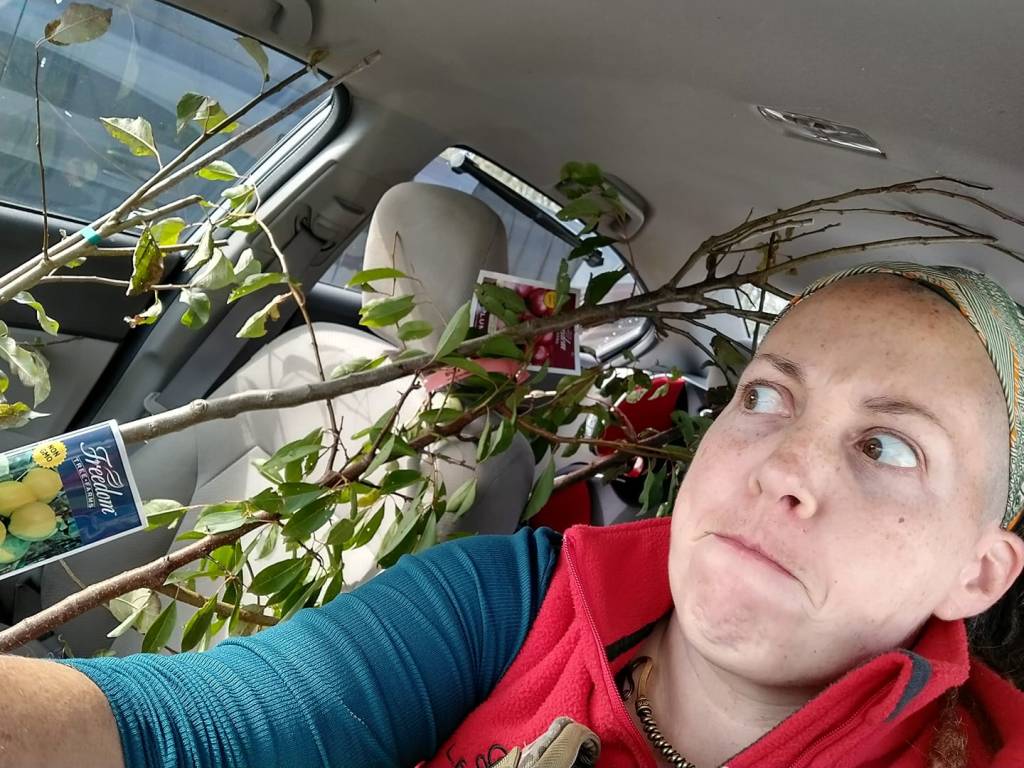
It was always in the plan to add orchard trees to the land so that we could have our own apples, pears, peaches, plums, and cherries. With the desire of self-sufficiency and food sovereignty, I was directed towards concepts of food forests, permaculture, and tree guilds. I began drawing out a plan using these concepts, but something kept bothering me…
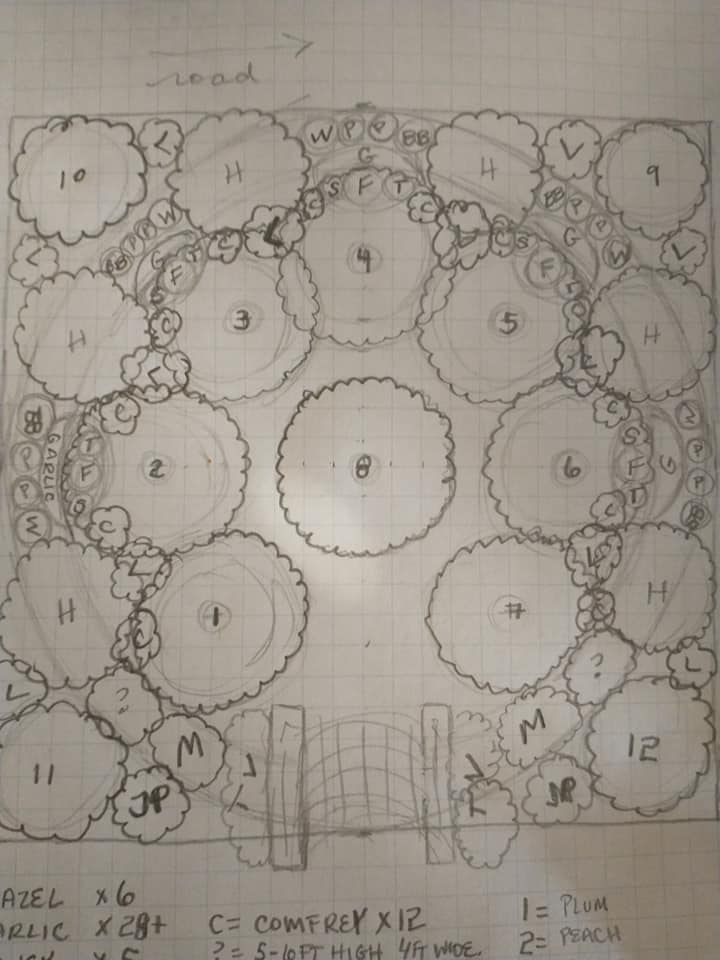
The idea of permaculture is to landscape with the betterment of the environment and us combined, but the layouts online and in books utilized a great number of non-native species that often could become problematic and didn’t seem to have the overall benefits they were being advertised as having. I started to dig deeper and asked questions in groups and forums. “What native plants can be used as fixers, mulchers, deterrents, attractors, ect?” I was still on this idea that all plants had specific jobs in our ecosystem, and while that can seem true of non-native species, it was certainly not true for our American plants.
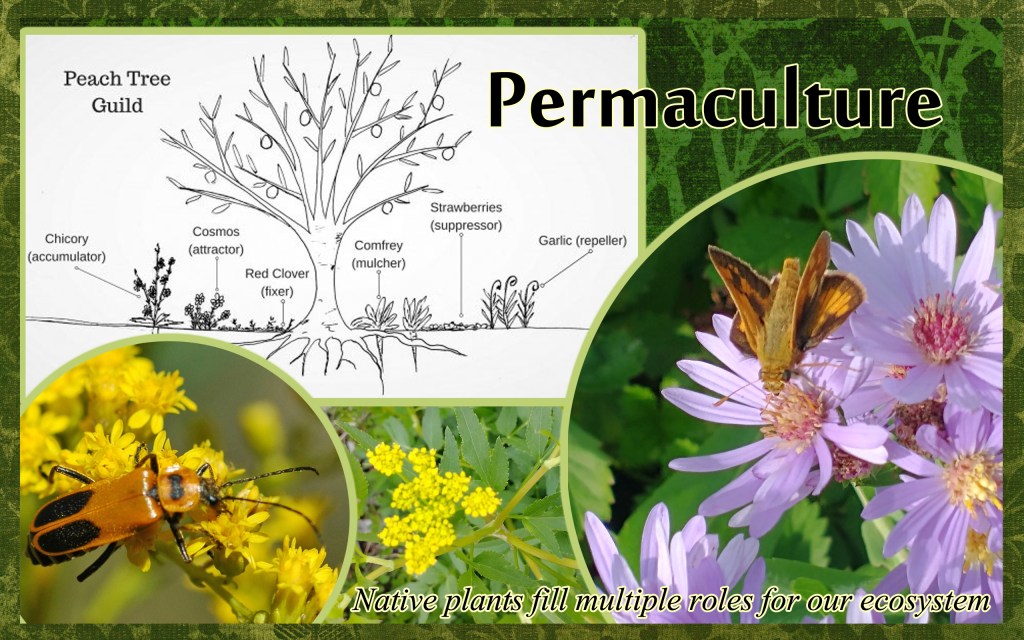
Native plants fulfill multiple roles for our ecosystem, and this understanding brought me great enlightenment. One goldenrod not only supported pollinators, but also beneficial insects while also supplying medicinal uses for us. The wide array of native plants and what they supply to our land filled me with vigor!
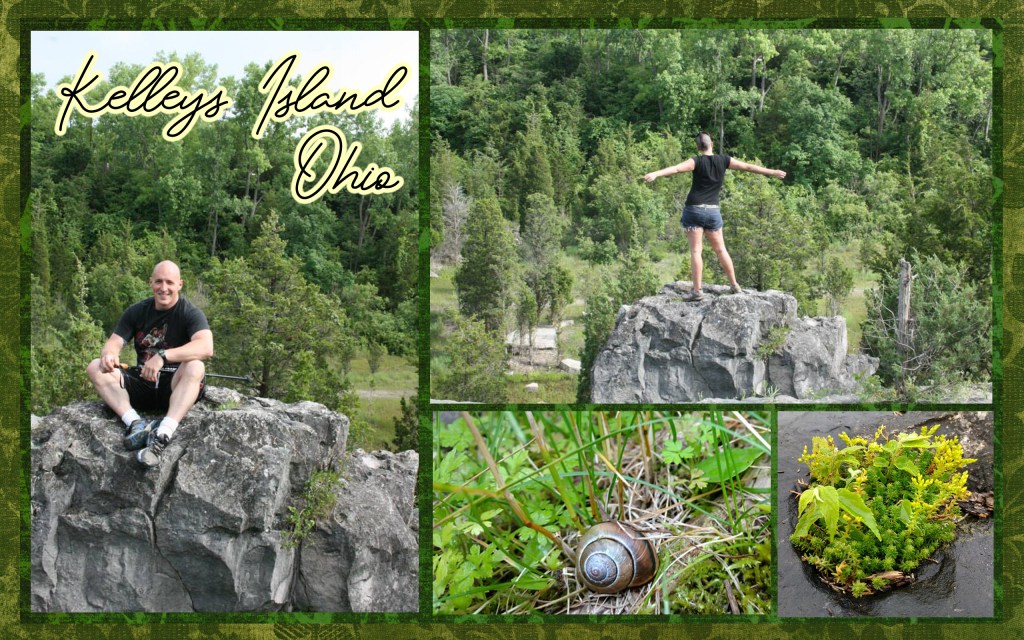
My spouse and I have always enjoyed the outdoors, and I have been an avid hiker since I was a child. I noticed at an alarming rate that invasive species were taking over our ecosystems and many of the plants I found as a kid I hadn’t found in a long time in the wild. I wanted to do ensure that our children as they grew would have hands on knowledge of the beautiful plants of our nation, so I began to seek out desired species to add to our space by visiting native plant growers and gathering wild seed to cultivate myself.

More to come…

 The Misty Mushroom