
During cold and flu season, quite a few home remedies are discussed by those looking for natural alternatives; generally with elderberry syrup taking the lead. American Elderberry Sambucus canadensis is not the only native plant with medicinal benefits of course, a far lesser-known plant used for fever, cough, and those feeling generally run down is one of my absolute favorites: Pycnanthemum virginianum aka Virginia Mountain Mint.
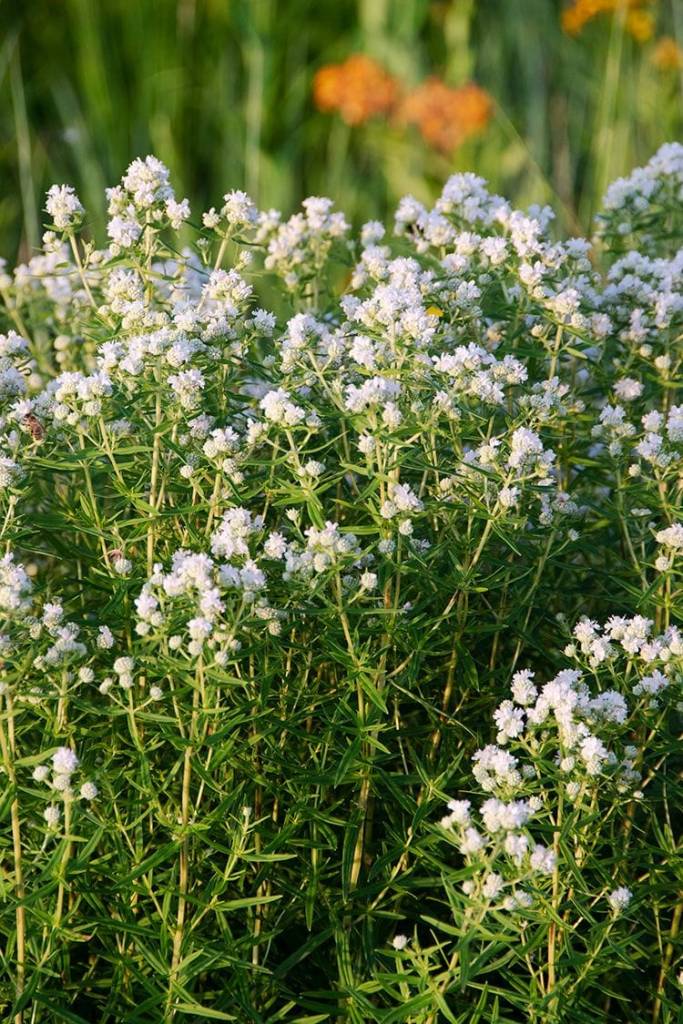
An adaptable 3ft perennial for full to part sun locations, it can thrive in a variety of soils from moist to medium dry (but prefers wet prairies, stream edges, and moist bluffs) spreading out in a 2-3ft clump. Competitive in the landscape, it is ideal to place alongside other assertive species (such as Rudbeckia triloba, Scirpus cyperinus, Eutrochium maculatum, Oligoneuron rigidum, Physostegia virginiana, and many others) and may not be ideal for smaller spaces (Pycnanthemum tenuifolium would be more behaved). Blooming from early summer until mid fall, it provides ample attraction to the landscape, providing a soft backdrop to showier natives while being resistant to deer.
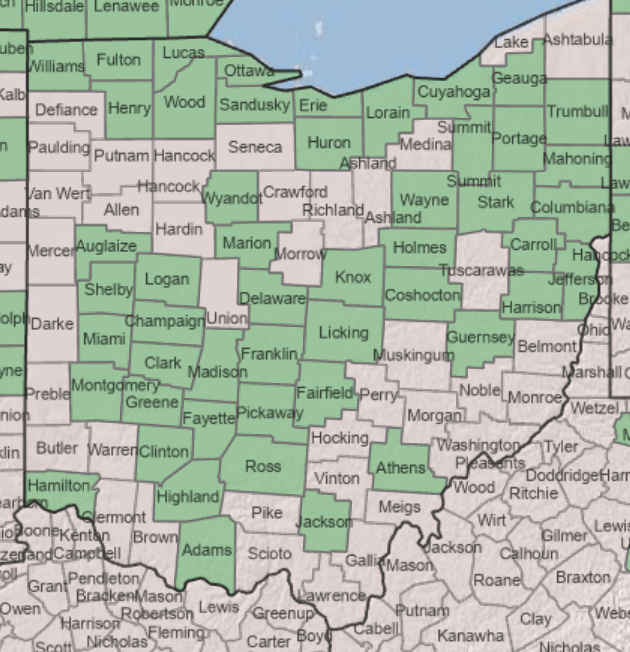
USDA Pycnanthemum virginianum native range in Ohio.
As far as maintenance, it is a prolific grower and can handle a late spring to early summer chop; an excellent time to gather fresh young leaves for tea making. When doing brush maintenance of old stems, keep in mind that seeds are viable even after a burn, but require surface level soil for germination. I usually gather all the old brush in late May and pile it until late June, giving ample time for any insects remaining in the stems to leave. The remaining brush is composted. Even if I get seedlings in my garden beds, in one year they don’t get much larger than 6in in height, don’t disrupt the growth of my vegetables, and assist short term as a companion plant pest deterrent with the aroma of their leaves. In the fall, the seedlings are still easy to pull.
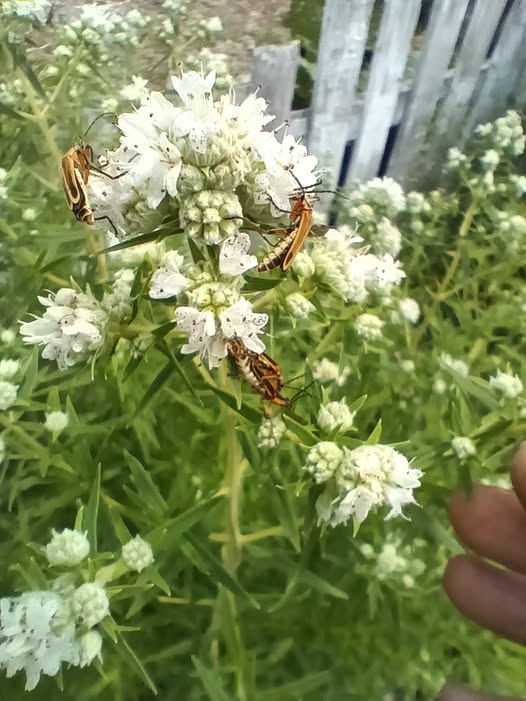
Soldier beetles on Virginia Mountain Mint.
Cultivation from seed is an easy task; collect dry seed heads and place in a paper bag; shaking to release the tiny seeds. They do not require cold stratification or any pre-treatment and will germinate if scattered on the surface of open soil. Seedlings in the first year will form a singular stalk and flower by their third year if not by second. Propagation can also be achieved from stems taken down to the woody base, easily rooting in water with a branch of willow to assist. Digging to divide plants can be tricky as clumps are dense, but easiest in early spring when ground is soft.
It is crucial for us to discuss, research, and explore the ethnobotany of native plants to obtain greater understanding of their value overall to our ecosystems and us; respecting indigenous history and also providing leverage when speaking to others about their importance.
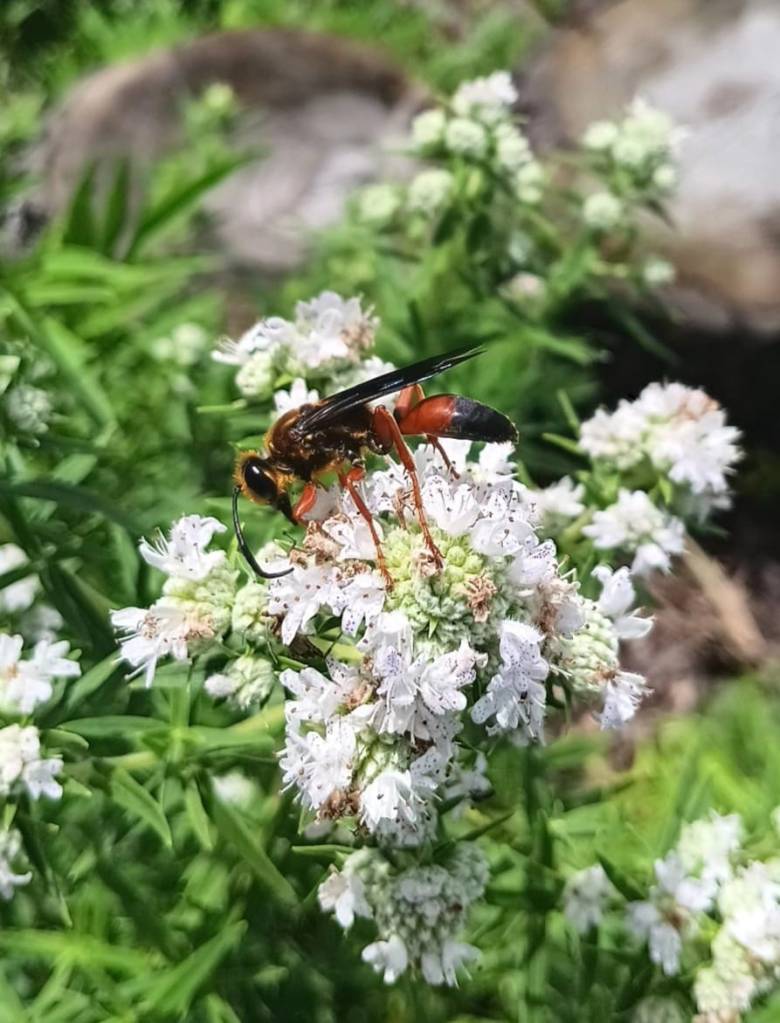
Great Golden Digger Wasp (Sphex ichneumoneus) are a large solitary wasp that can be quite shy, but is a fierce predator in the garden.
Virginia Mountain Mint specifically is noted as being used by the Meskwaki Nation (Sac and Fox) for medicinal and practical usage; an infusion of leaves used as an alterative ‘when a person is all run down.’, an infusion of plant tops taken for chills and fever, a compound containing florets was applied at nostrils to rally a dying patient, and leaves were used to scent mink traps. The Lakota used an infusion for cough. The Ojibwe (Chippewa) First Nations people also used the leaves for fevers and chills, as a spice in cooking, and a decoction of powdered root was taken for ‘stoppage of periods.’. With this, it is important that pregnant women DO NOT take Mountain Mint.
A common name for Virginia Mountain Mint is Pennyroyal (not to be confused with Hedeoma pulegioides), may be due to European comprehension of the similarities medicinally between the two plants from indigenous teaching; although looking nothing alike. Each species of Mountain Mint has a varying degree of chemical composition, making some better for insect repellent and others more desirable for cooking or medicine. Flavor for Pycnanthemum virginianum can vary from two chemotypes, with some tasting more like mint and others bergamot. When crushing the leaves from my plants, I notice a wide scope of aromas: oregano, thyme, rosemary, and mint. I have often joked that this one plant could easily replace my Italian herbs and seasoning.
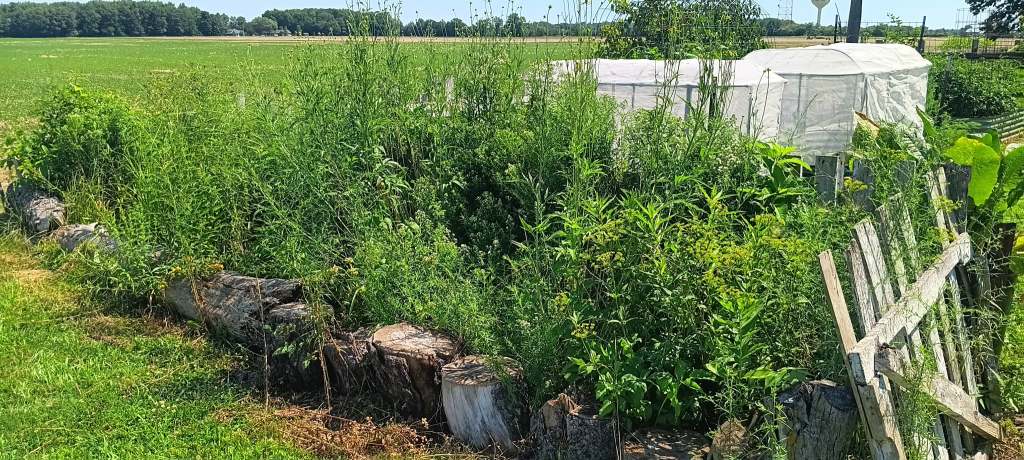
July 4th 2025 photo from native planting by my back vegetable garden which includes Virginia Mountain Mint and several other species. Logs are used for borders and encouraging beetles and other wood boring insects to overwinter.
When harvesting leaves or flower tops, the best time is before 10am after a rain; the oils in the plant will be at their highest quality. Collect vibrant green stalks and hang to dry or chop for immediate usage. A simple infusion can be done by steeping the plant matter in boiling water and allowing it to sit for at least 20 minutes to an hour before drinking; allowing for greater medicinal value to be pulled. A decoction can be done for a longer period with a slow simmering pot to increase potency, and the liquid used immediately or frozen for use when needed after straining out the leaves.
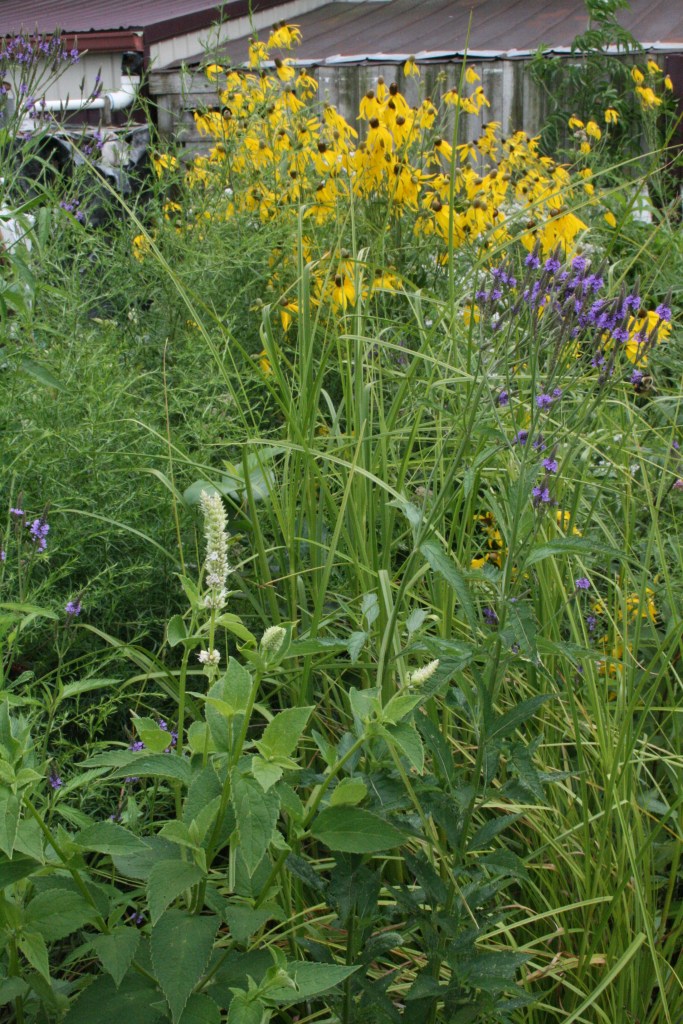
I cultivate Virginia Mountain Mint alongside a variety of other species, specifically with the mindset of having sustainable farming practices on the 1 acre of earth my family resides upon in Oak Harbor, Ohio. I named our small farm: The Misty Mushroom with the idea that from the smallest mushroom to the tallest tree we would have balance with our surroundings. The main goal is to produce enough for my family to have food sovereignty options while also in excess that could be donated to others within the community. Incorporating native plantings is a crucial part of my journey and continues to grow with every passing year.
Julie Ibarra of The Misty Mushroom
LINKS
USDA Plant Database: Pycnanthemum virginianum
Native American Ethnobotany: Pycnanthemum virginianum
Red Earth Gardens: Meskwaki Food Sovereignty Initiative
Natural Medicinal Herbs: Virginia Mountain Mint
Three Little Goats: Medicinal Uses of Mountain Mint
Recruiting Insect Allies to Combat Brown Marmorated Stink Bug
 The Misty Mushroom
Leave a comment