
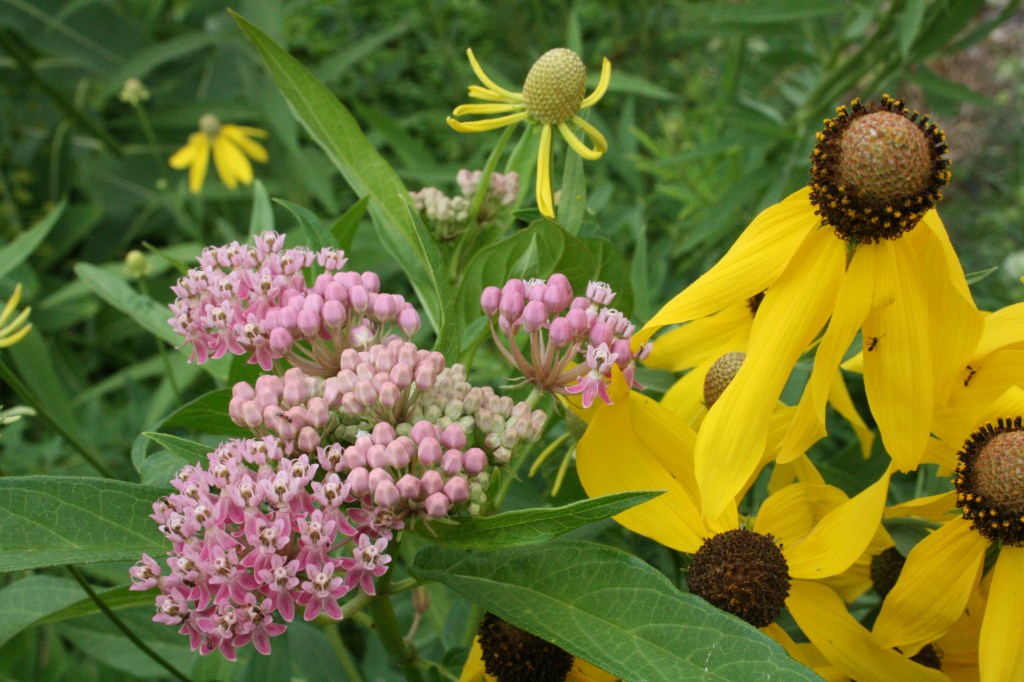
Often, I get asked to recommend native plants for various situations, and I enjoy sharing beautiful plants from our state with others. Recently I was requested to generate ideas of species for an open prairie for a family who wanted to accomplish several goals. Promoting & preserving native plants and species, having options for a cut flower business, & also providing added nectar for their honey bees. It is really difficult to narrow down to just ten species, but I have provided the following as an introductory guide.
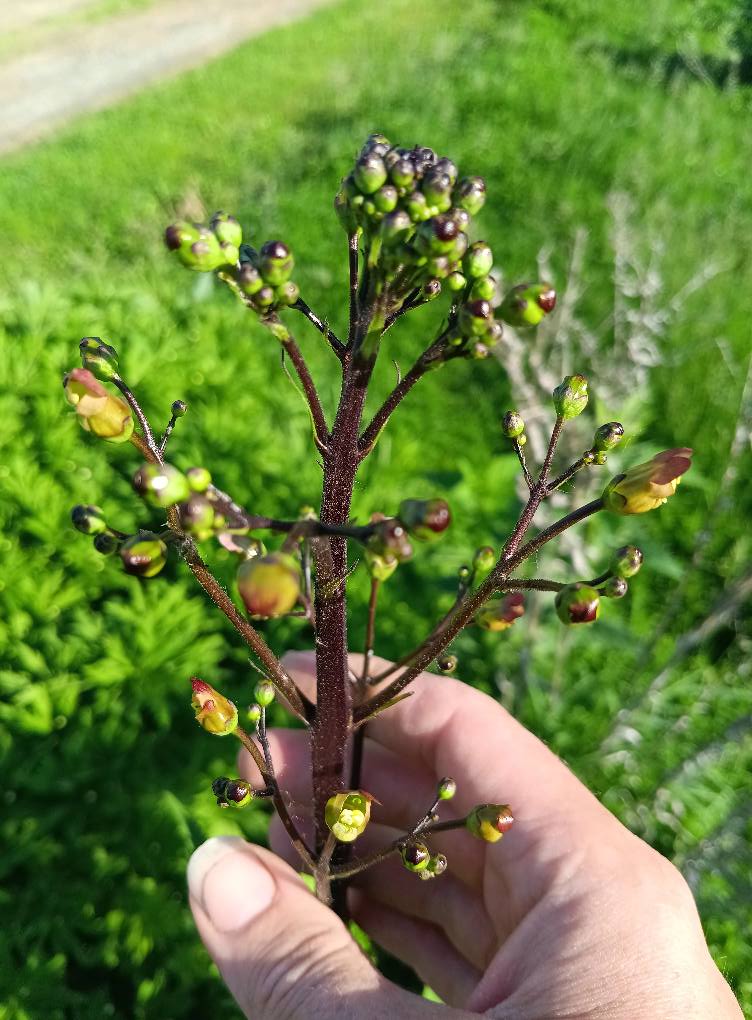
FIGWORT: Scrophularia lanceolata (Early Figwort) or Scrophularia marilandica (Late Figwort) are two species that produce a lot of nectar and are frequented by a wide range of pollinators. The flowers are small little honey pots and not the most flashy of plants, but when you see the visitors you’ll understand why I include them in this list. They are both extremely adaptable from sun, soil, and moisture levels.
BEEBALM: Monarda fistulosa (Wild Beebalm or Bergamont) and Monarda punctata (Spotted Beebalm) are two that I love out of the Monardas. Spotted beebalm is much shorter at 2 feet but both species are adaptable to dry soils and full sun. As the name implies, they are beloved by bees and also make decent cut flowers.
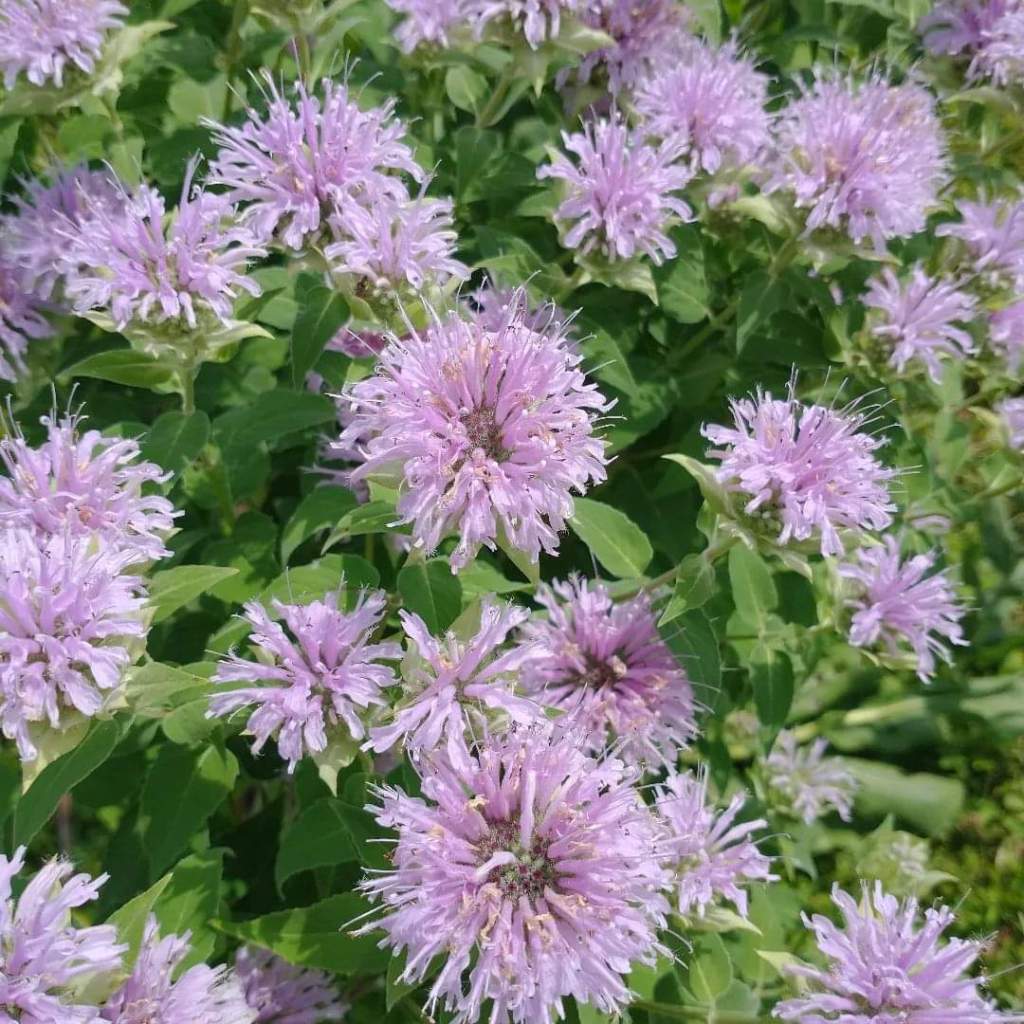
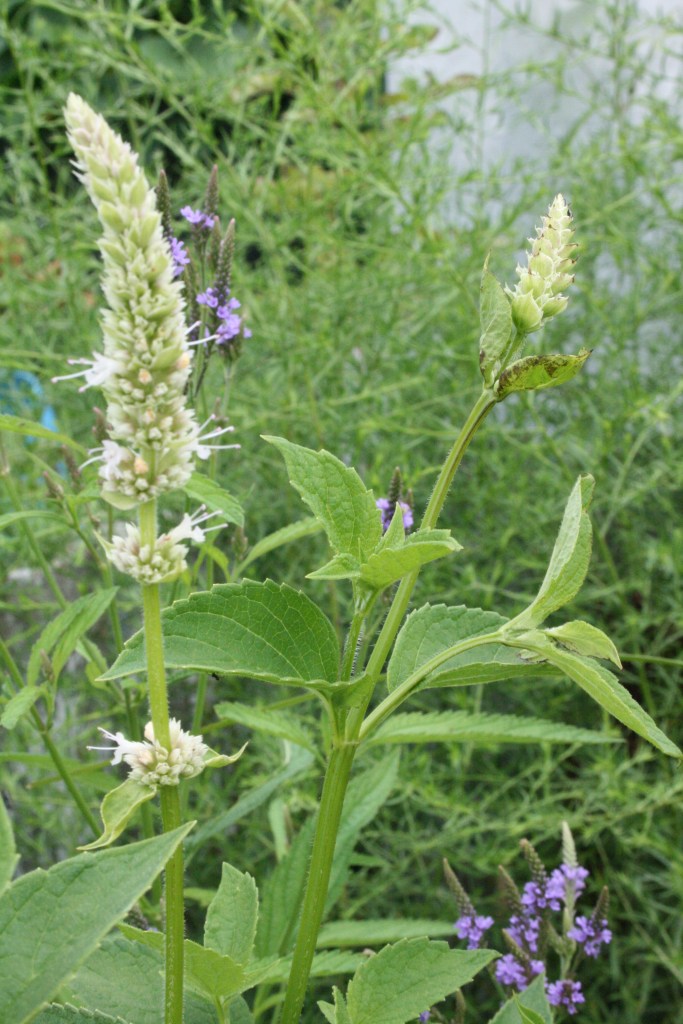
HYSSOP: Many wildflower mixes include Anise Hyssop which is native out west, and although I like using Anise Hyssop for teas and the bountiful blooms, there are two species native to Ohio that are threatened and great advocates of benefiting both bees and bouquets. Agastache scrophulariifolia (Purple Giant Hyssop) and Agastache nepetoides (Yellow Giant Hyssop) are both stately plants at 6ft that thrive in prairie plantings while providing interesting contrast in landscaping.
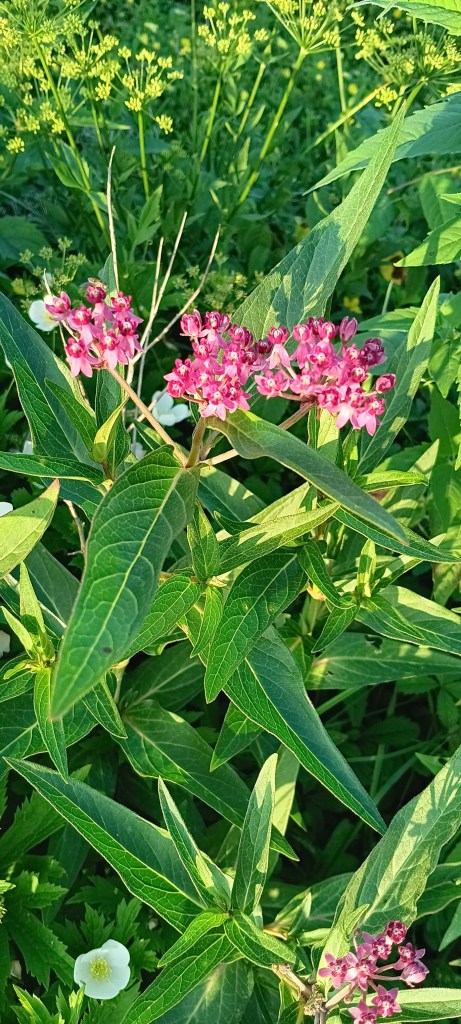
MILKWEED: Our location in Ohio has 8 native species of Milkweed (Common, Swamp, Whorled, Butterflyweed, Prairie, Purple, Poke, and Green) Each having specifics for soil and sun. All can be used in cut flower arrangements with careful consideration of the latex in the stems (usually searing the stem with flame to prevent it). All milkweed is good for our pollinators, especially Monarchs.
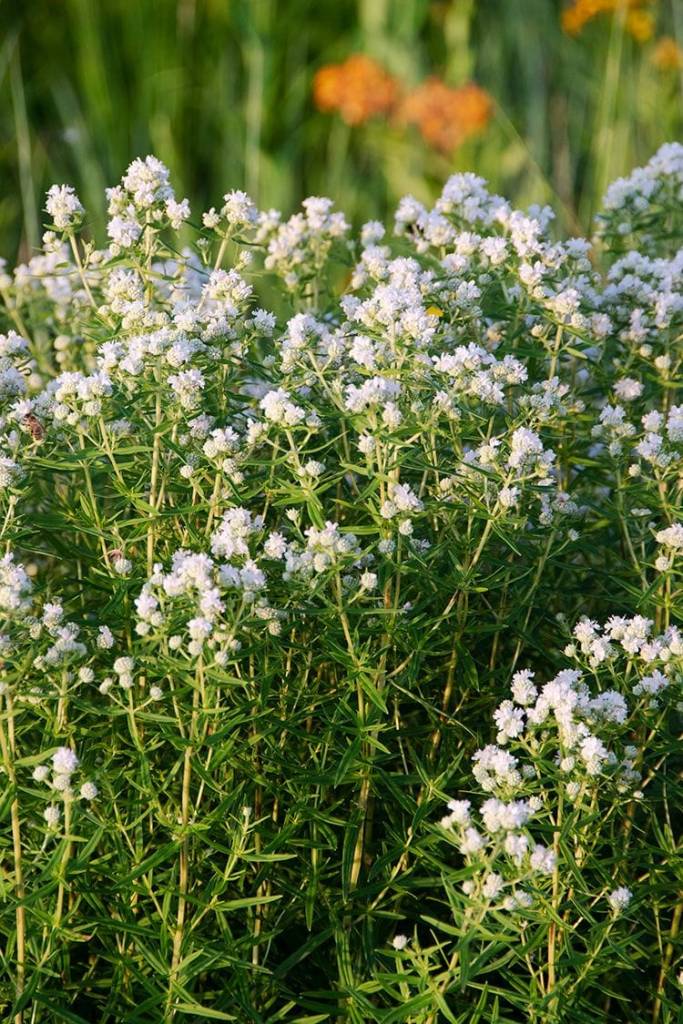
MOUNTAIN MINT: Glorious long blooming mountains of white blooms, the various 5 species native to our portion of Ohio are unique on their appearance, smell, and are all widely sought after by pollinators. Pycnanthemum virginianum (Virginia Mountain Mint) is my favorite. They are adaptable plants and do well in full sun.
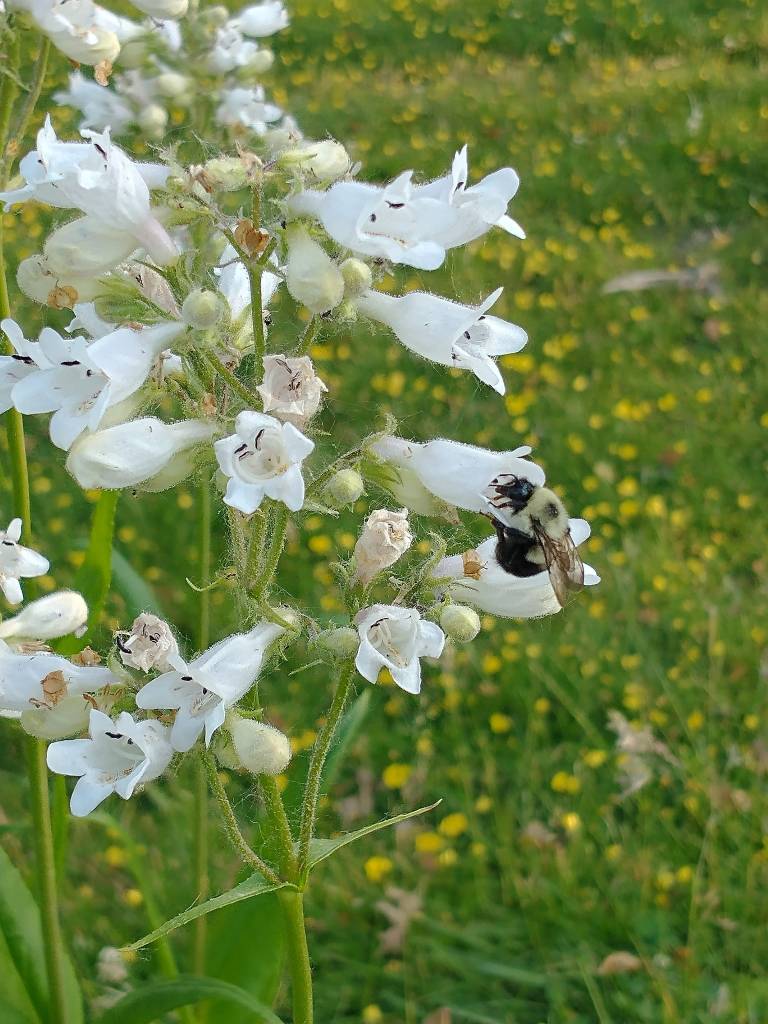
PENSTEMONS: Blooming early summer, Beardtongues form colonies of charming blooms and have lovely autumn foliage. My favorite is Penstemon digitalis (Foxglove Beardtongue) but there are a few species native to Ohio (some blooming earlier) and with a variety of height and color. In a bouquet they would surely demand interest, being very unique flowers.
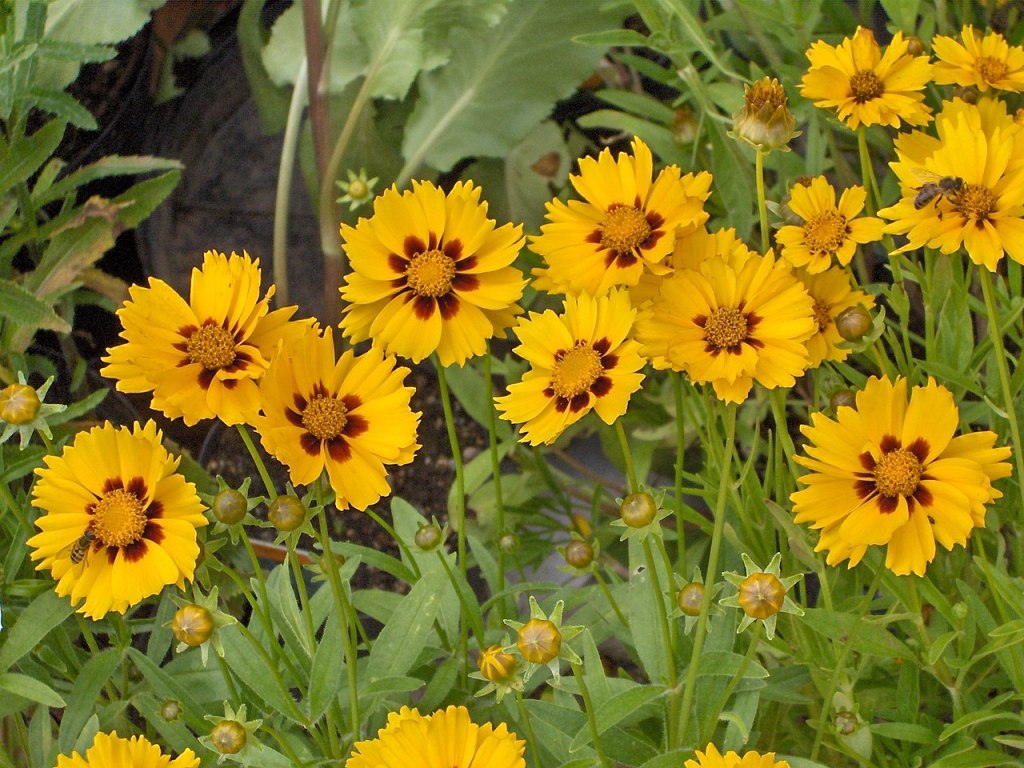
Coreopsis: Great yellow clustered flowers are wonderful in a prairie and small landscape; Coreopsis tripteris (Tall Tickseed) being an easy 7ft adaptable prairie plant. Other Coreopsis species bloom earlier in summer and are much shorter.
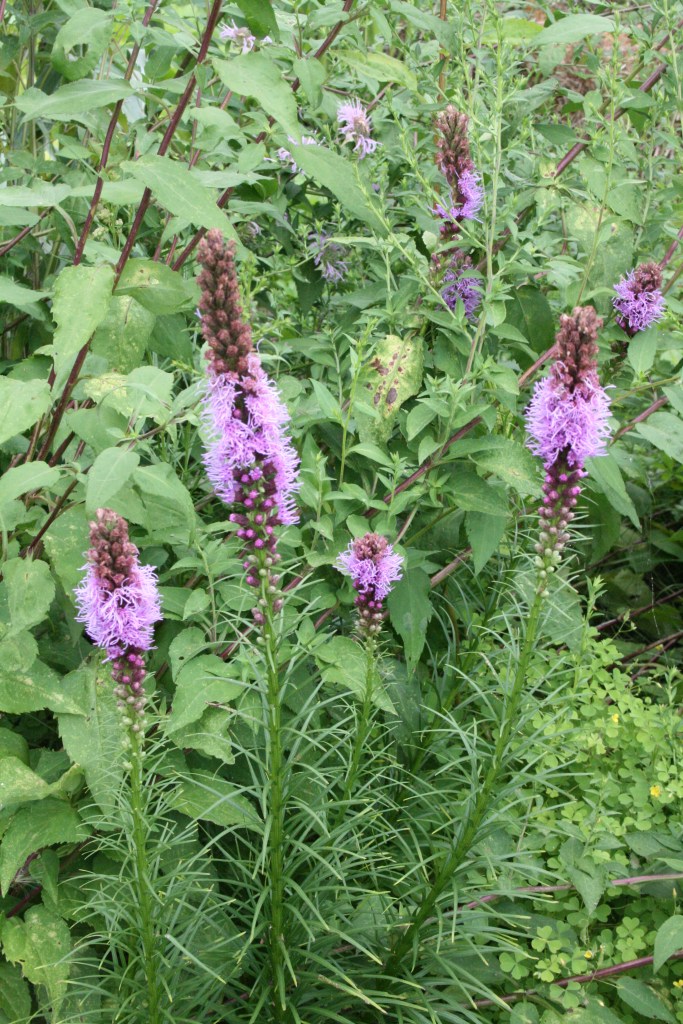
Liatris: Blazing Stars are gorgeous and bloom, and well beloved by our pollinators. The tall spears of purple blooms stand out in a prairie. Liatris spicata is the most commonly seen species, but there are others native to our area in Ohio.
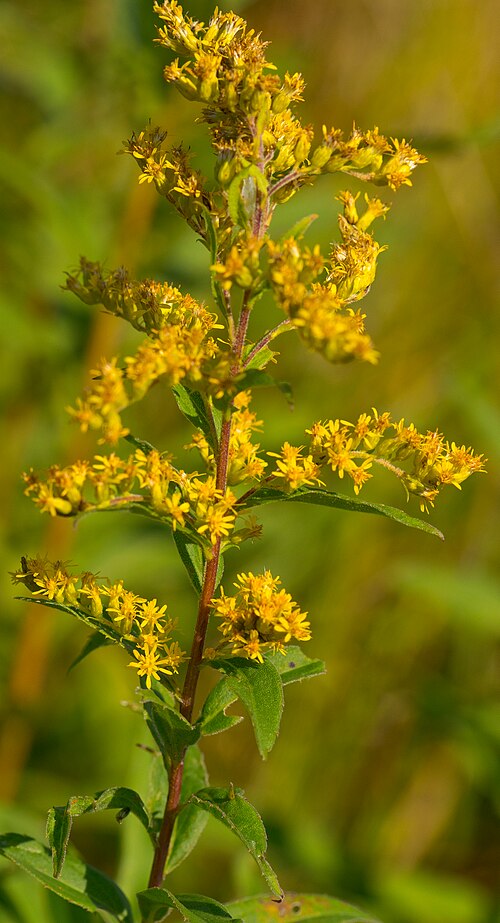
GOLDENROD: Considered keystone plants for the amount of moths and butterflies (among other species) that use goldenrods as a host plant, I recommend them in every planting. Our area has at least twelve different species for a variety of plantings. Fall blooming, they are great plants to supplement our pollinators before the winter. Solidago speciosa (Showy Goldenrod) and Oligoneuron rigidum (Stiff Goldenrod) are a couple of my favorites.
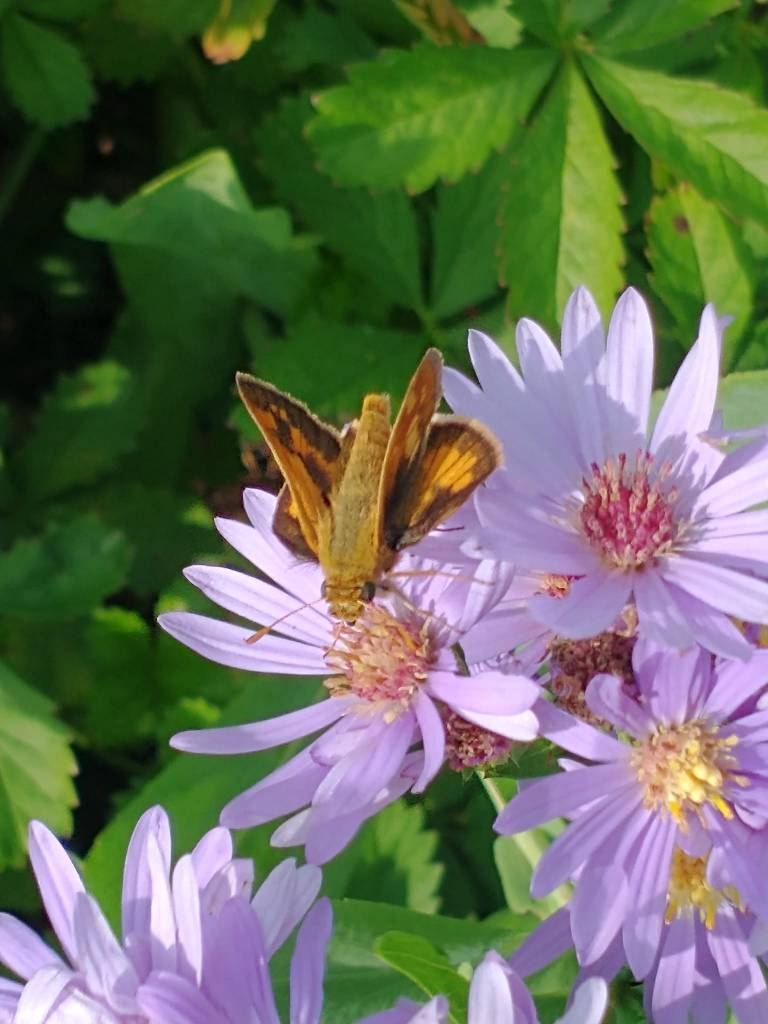
ASTER: The amount of fall blooming plants known as Asters is a huge group, and they are also a keystone plant like Goldenrods. Symphyotrichum novae-angliae (New England Aster) is one of the most colorful, but there are many options to choose from that are adaptable and have a variety of heights.
I hope this helps folk get started with options to start thinking of re-wilding their landscapes while also providing opportunities for where their goals are. It is important to provide our insects with what they need throughout the seasons, and there are many native plants I did not mention that bloom earlier or provide other resources.
A great resource to thumb thru for free from 1920 is American Honey Plants, together with those which are of special value to the beekeeper as sources of pollen by Pellett, Frank Chapman. Keep in mind the time period this was written, and that many species mentioned are not native to the USA, or native outside of Ohio.
Julie Ibarra of The Misty Mushroom
LINKS
 The Misty Mushroom
Leave a comment